This is not philanthropy, it is commercial responsibility. Every pound withheld from exploitative rents becomes a pound circulating through local shops, services, and enterprises. Every family lifted into stability becomes a customer, a participant, a contributor to the civic and economic fabric.
This is not philanthropy. It is commercial responsibility. Every business that aligns with Lynx Syndicates is not “giving” — it is securing its own future in a marketplace built on fairness and trust.
Housing justice is not a side project. It is the foundation of sustainable commerce. When businesses step into this responsibility, they do more than support families — they anchor their own resilience against volatility, recession, and decline.


We trade with conscience. We prosper through reciprocity. We build markets that last. This is not optional. It is the new standard of enterprise.
Businesses that ignore housing justice gamble with instability; those that embrace it secure generational wealth, loyal communities, and enduring growth.
When customers know that your business stands with the Lynx Syndicates Program, they don’t just see a company — they see a partner in justice, dignity, and community strength.
People naturally prefer to spend with businesses that align with their values, turning trust into lasting loyalty.
Families freed from housing exploitation will choose to support the businesses that supported them.
In competitive markets, conscience is not a weakness — it is a differentiator that secures long-term success.
Businesses that embrace Lynx Syndicates are not simply “doing good” — they are setting the precedent for commerce with conscience.
We prosper by empowering families. We thrive because communities thrive. We build markets that last, because they are built on justice.
This is not about charity. It is about earning the confidence of communities who will remember, reward, and reinforce the businesses that stood with them.
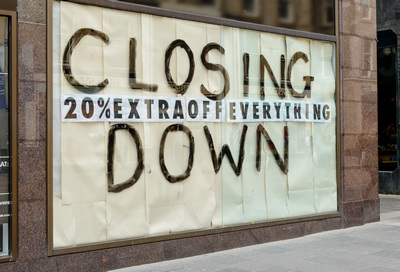
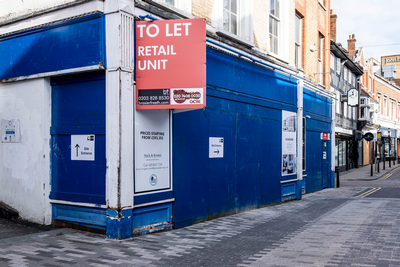
Across the country, businesses have been forced into closure not because they lacked talent or vision, but because the foundation beneath them was unstable. When families are trapped in exploitative housing, disposable income evaporates, confidence collapses, and local commerce starves. Empty storefronts are not accidents — they are the direct result of markets built on exploitation instead of justice. Communities cannot spend where they cannot breathe. Closure is contagious, one failed shop weakening the entire ecosystem. The Lynx Syndicates Program exists to break this cycle. By anchoring housing justice as a commercial responsibility, we restore the conditions for businesses to thrive. Stability in families means stability in markets. Justice in housing means resilience in commerce. Supporting Lynx Syndicates is not a gesture — it is a commercial responsibility that transforms customer trust into enduring prosperity.